Treating People With Dignity

June 9th, 2011 by Nick Jacobs 94 comments »

As part of my continuing series of anti-bullying blog posts, this week’s post was inspired by a WDUQ/NPR interview of the authors of a book entitled: Unleashing the Power of Unconditional Respect: Transforming Law Enforcement and Police Training. It was written by Jack Colwell, a police veteran and trainer, and Chip Huth, who heads a SWAT team for the Kansas City, Missouri Police Department. The interview was inspired by the Pittsburgh police beating of CAPA (Creative and Performing Arts) student Jordan Miles, a who hadn’t done anything wrong. The interviewer stated that this beating, and the subsequent ruling regarding its legality, has seriously eroded the support of law-abiding citizens in the African American community and beyond toward the Pittsburgh Police.

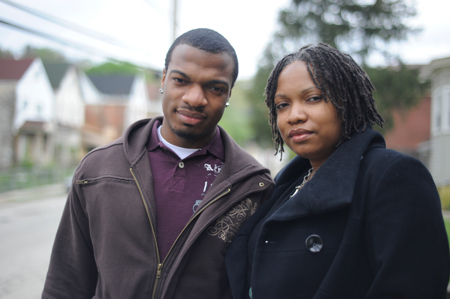
CAPA student Jordan Miles and his mother, Terez

CAPA student Jordan Miles and his mother, Terez | Photo credit: Justin Merriman, Pittsburgh Tribune-Review

Why, in a healthcare blog, would I select this topic? It is my firm belief that treating people with respect and dignity, regardless of the situation, leads to a more harmonious environment. Chip Huth, one of the two authors interviewed by WDUQ,  commented that the he believes that the Kansas City police force’s policy of holding meetings that allow community members to express their points of view and to feel understood may open them up to understanding the police point of view. He went on to say that “after a SWAT raid…when the situation is secure, his teams sit down with the suspects and explain the terms of the search warrant, answer questions, advise of rights, etc.” Convicted felons heading off to jail have told him how much they respect the way his team treated their families.

So, read between the lines. It’s not any different from healthcare work when it comes to “Treating People With Respect and Dignity.” It is what it is, and that care and treatment must transcend all races, colors and creeds. More importantly, it crosses all professions. By analogy, think of us as the SWAT (caregiving) team. We break into your life and scare you. It’s a well known fact that those individuals who are most often sued in healthcare are those with the weakest interpersonal skills  and worst “bedside manner.” They are often mean, curt or simply uncaring in their attitude and responses. Or else they make sure that they just don’t communicate at all with the family or patient.

Not so many years ago, I was taken to task by a group of physicians who were upset because I had written an article about those docs “who make rounds before the families are present and the patient is awake.” The good docs were indignant — and in some cases rightfully so — because they were communicators, but the “bullies” that I targeted, who were not patient centered, came at me from all directions: letters, phone calls, and attempts to have me censured by my hospital’s board. It really reminded me of the often-paraphrased Shakespearean line, “methinks he doth  protest too much.” If they were truly “caregivers,” and not technical health scientists, they would want to communicate with the patients and their families, to answer their questions, to help them understand what is happening (or about to happen) to them, and they would be sensitive so as to ensure that the fears being expressed by those involved were ameliorated about as well as could be expected under the circumstances.

If the SWAT team can kick in your door, throw in flash grenades, tie your hands behind your back, and arrest you, but take the time to heat the baby’s milk and explain to everyone involved what exactly is going on and what to expect, there will be a marked difference in response from those who are being impacted by their work. A hospital does not attain 98 or 99% patient satisfaction scores by ignoring patients and their families, treating the employees and administrators like they are minions and ignoring the kindness and respect that should be part of their jobs.

Respect - Nick Jacobs, FACHE - healthcare - anti-bullying - Healing Hospitals

Okay, I’m done. Like Aretha Franklin sang, “R-E-S-P-E-C-T / Find out what it means to me.” Look up the Jordan Miles story online, or better still, buy the Unleashing the Power of Unconditional Respect book and see what can happen when you treat people with dignity.

Share

The Food Crisis

May 24th, 2011 by Nick Jacobs 149 comments »

Each year American farmers must feed an additional 80 million people internationally.

Food is The New Oil (c) ForeignPolicy.com - Nick Jacobs, FACHE - Healing Hospitals

Image credit: ForeignPolicy.com

During the first two decades of my adult life, it was commonplace to see story after story about the starving people in places like Biafra. Some three decades later, I now understand more deeply the geopolitical ramifications of these tragedies. A friend of mine sent me an article from the May/June Foreign Policy magazine. It detailed the food supply challenges facing this planet’s  growing population. The intensity of concern that this essay raises is palpable.

The article, The New Geopolitics of Food, by Lester R. Brown, opens with an example of what a 75% increase in wheat prices might mean to the average American who spends less than 1/10th of their income at the supermarket.  The answer is…probably a ten cent increase in a loaf of bread. As a result, a $2.00 loaf of bread will become a $2.10 loaf of bread. He then contrasts that difference with the impact it would have in a place like New Delhi where that same wheat is carried home to be ground into flour. The cost of the wheat there is actually double what it was. Consequently, Brown states, the world’s poorest two billion people — who spend 50 to 70% of their income on food — will go from two to one meal a day. His evaluation of this situation is that it can, will, and has already resulted in revolutions and political upheaval.

When the reasons for these shortages are explored, it quickly becomes apparent that changes in our climate represent a major contributing factor.  Be it too much hot dry weather, too many storms contributing to excessive rainfall, or soil that is simply exhausted from a lack of nutrients caused by depleted aquifers, the result leads to food becoming the hidden driver of world politics. As land and water become more limited, as temperatures go up and world food security deteriorates, scarcity is emerging as the norm, rather than than the exception.

Infographic: The Food Price RollercoasterUntil recently, the food supply was primarily in the hands of the world markets which were primarily monitored and sometimes driven by the United Nations’ World Food Program, but because of recent shortages and population growth, several countries have taken it upon themselves to secure their food supply in nontraditional ways. We are seeing unprecedented land grabs in developing countries, and water grabs from geographies where the end result creates shortages and where grain is being directly purchased from U.S. farmers.  All of this is contributing to a global power struggle for food security.

According to Brown, “With grain stocks low and climate volatility increasing, the risks are also increasing.  We are now so close to the edge that a breakdown in the food system could come at any time.”  For example, a 40% drop in grain production in the U.S. would be equivalent to a loss of 160 million tons of grain as opposed to a 40 million ton drop in Russia from the same percentage loss.  This would be devastating to the world food supply. As long as oil is expensive, ethanol production will remain high and corn will be pulled from the food chain to the fuel chain. “Oil exporting countries that import grain would…barter oil for grain, and low income grain importers would [lose] out.”

Brown concludes:

“If we cannot produce higher crop yields with less water and conserve fertile soils, many agricultural areas will cease to be viable. Each year, 1,400 square miles of land in Northern China turn to desert. If we cannot move at wartime speed to stabilize the climate, we may not be able to avoid runaway food prices. If we cannot accelerate the shift to smaller families and stabilize the world population sooner rather than later, the ranks of the hungry will almost certainly continue to expand.”

Share

Coffee and Cancer

May 19th, 2011 by Nick Jacobs 19 comments »

Several years ago, at the Clinical Breast Care Project’s (CBCP) offsite retreat with the physicians from Walter Reed Army Medical Center, our biomedical informatics group had prepared a demonstration for the CBCP’s Scientific Advisory Board, a group of distinguished scientists, breast cancer consultants and physicians.

Colonel Craig D. Shriver, MC Director, Clinical Breast Care Project Program Director and Chief, General Surgery Walter Reed Army Medical Center

COL Craig D. Shriver, MC Director, Clinical Breast Care Project (CBCP), Program Director & Chief of General Surgery, Walter Reed Army Medical Center

As the 7:00 PM meeting time approached, it was obvious that there was not going to be a quorum present to start the formal meeting.  The two additional members had called in and we sat waiting patiently for the remainder of this august body to join us; fifteen minutes passed, then twenty and finally at about 7:25 PM, the group burst apologetically into the conference room to begin the call.

In case you’re wondering what would have caused such a delayed response from an otherwise very prompt group of individuals, it was the introduction provided by the biomedical informatics group of how this data repository’s capabilities could be explored.  The advisory group was so captivated by the power of this tool that they literally became lost in the excitement of the demonstration.

This form of science was fascinating to me, because having trillions of pieces of data available from thousands of women allowed the queries to be guided by the data itself.  When this power was coupled with the normal questioning generated by the intellectual curiosity of the individual scientists, the outcomes were beyond fascinating.

For example, you could ask the question, “How many of you drink coffee?” The thousands of participants whose biopsies – both malignant and benign – were being stored in the tissue repository at our research institute had agreed to answer over 500 demographic questions relating to their very personal and now anonymous lives. A graph appeared showing the proportion of women who were coffee drinkers. When I then asked, “How many cups a day do you drink?”a new graph appeared with that information as well. My final question was, “How many of you were diagnosed with breast cancer?” This resulted in an interesting fusion of information. The women who consumed the most coffee had the least amount of breast cancer. Of course, that general assumption needed to be researched, confirmed and proven in numerous ways, but there it was, way back in about 2005.

A report that touched on this topic was released during the second week of May, and it was fascinating. It was a Harvard study that followed almost 50,000 male health professionals for more than two decades.  Over 5,000 of the participants got prostate cancer – 642 of them the most lethal form. “For the men who drank the most coffee, their risk of getting this bad form of prostate cancer was about 60 percent lower compared to the men who drank almost no coffee at all,” says Lorelei Mucci, an epidemiologist at the Harvard School of Public Health and an author of the study. The same group reported about a 50 percent reduced risk of dying from prostate cancer among men who took two or three brisk walks a week. As a part of our funding, similar studies performed by the Preventative Medicine Research Institute under the direction of Dr. Dean Ornish also confirmed this exercise theory of risk reduction for prostate cancer.

The new study shows that a 60 percent reduction in risk of aggressive prostate cancer requires at least six cups a day. However, men who drank only three cups a day still had a 30 percent lower chance of getting a lethal prostate cancer, and that’s not bad. Earlier research also suggests coffee reduces the risk of diabetes, liver disease and Parkinson’s.

But here is best part of this story. Just last week, Swedish researchers reported that women who drink at least five cups of coffee a day have nearly a 60 percent lower risk of a particularly aggressive breast cancer that doesn’t respond to estrogen.

Epidemiologist Mucci says more research is needed before officially urging people to drink coffee for its health benefits. Meanwhile, she says, “there’s no reason not to start drinking coffee.

So, all of these years later, the National Cancer Institute is using about 200 of these CBCP biopsies from that same tissue repository to map the Human Breast Cancer Genome, and everyday new reports are emerging that confirm the value of this research. All of this from a little coal mining town in Western Pennsylvania – the location of the research institute and hospital where I served as President and CEO – just three seconds in air miles from where Flight 93 went down.

Now that’s a story.

Share

Fracking, Beiber Fever…and Bedbugs

May 12th, 2011 by Nick Jacobs 26 comments »

Every once in a while, it’s important to write about things that are hot. (It keeps the blog numbers up.) Well, hydraulic fracking, Justin Beiber and bedbugs… yes, bedbugs are all very hot and in the news again. While the D’s and the R’s sort out the nuances of cutting $14 trillion or so from the U.S. federal budget over the next few centuries, we still have to deal with the day to day challenges of living on this planet. In Pennsylvania and New York at least, the hot news — according to the New York Times — is the radioactive water that is reportedly being forced from deep below the surface of the earth as a means of releasing natural gas reserves:

“The relatively new drilling method — known as high-volume horizontal hydraulic fracturing, or hydrofracking — carries significant environmental risks. It involves injecting huge amounts of water, mixed with sand and chemicals, at high pressures to break up rock formations and release the gas.”

“With hydrofracking, a well can produce over a million gallons of wastewater that is often laced with highly corrosive salts, carcinogens like benzene and radioactive elements like radium, all of which can occur naturally thousands of feet underground. Other carcinogenic materials can be added to the wastewater by the chemicals used in the hydrofracking itself.”

Of course, the essence of those two paragraphs will be the source of numerous heated discussions between environmentalists and the gas and oil lobbyists until this issue can be sorted out. In the meantime?  Well, that’s the question du jour.

On a lighter note, my five year old grandchild, Nina, is madly in love with Justin Beiber. She knows every lyric from every one of his songs and regularly either dances or does gymnastic flips to his music. On Saturday, she, her brother, sister and I worked to clean up their two car garage sized playroom. She turned on the Karaoke Machine and let it rip. We were all dancing and singing to the Bieb as we put the toys away, cleaned up the miniature kitchen, folded baby doll clothes and stacked their books.

Justin Bieber - photo credit: celebrity-gossip.net - Nick Jacobs FACHE - Healing HospitalsImagine my shock when one of my Google news alerts appeared spouting the fact that young Justin suddenly had become violently ill at one of his concerts in Manila, then quickly returned to the stage. He had been diagnosed with a bad chest infection prior to the show, but insisted on performing, having tweeted before the show, “Sick as a a dog… But the show must go on.” As a non-medical/non-science healthcare guy, the diagnosis made me a little curious, (remember, I’m a musician, too), but Yahoo Answers cleared things up for me with this patient testimonial: “I’ve spent so many years of my life convincing myself that I have emetophobia, because when I was about 11, I was sick from a chest infection and I threw up…” So, there you have it:  Justin is not the only person who gets sick from being sick. So, relax, Nina, he’s going to be okay.

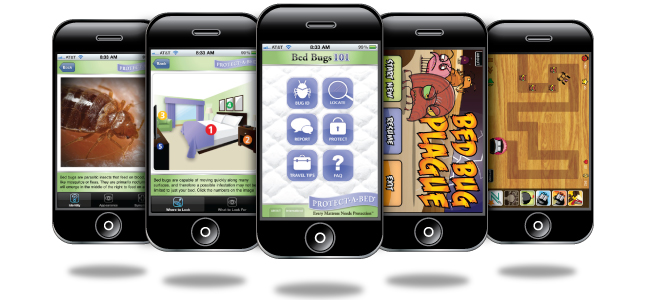
Now, some additional disconcerting news. After having  personally survived a bedbug attack at a top-notch hotel in a major U.S. city last year,  I read with trepidation that it has recently been discovered that MRSA infection has now been associated with the scratching that comes after the bed bug bites.  This dangerous, antibiotic-resistant bacteria (usually acquired from hospital visits or things like high school wrestling mats), is a strain of the bacteria Staphylococcus aureus which is called Community Associated MRSA or CA-MRSA.  Because it is resistant to oxacillin, penicillin, amoxicillin and other antibiotics, it is not to be ignored.  My medical friends tell me that the best treatment for bed bug bites is to keep the area clean, use antibiotic ointments or gel and keep a close eye on the bite to ensure that it doesn’t become infected.

So, all of you frackers, Bieberbots and bedbug-dreaders …should have a sip of some Grey Goose or Courvoisier.  They’re not radioactive, may calm your fear of tossing your cookies, and would probably – in the right quantities – kill bedbugs…or at least make you stop caring if  they didn’t.  And, if you still want to learn more…well, there’s an app for that.

Bedbugs 101 mobile app - Nick Jacobs, FACHE - health 2.0 - healthcare

Share

Nick Jacobs – Presentations to Date

May 2nd, 2011 by Webmaster 38 comments »

F. Nicholas (Nick) Jacobs, FACHE
HealingHospitals.com

  • The Risk Management and Patient Safety Institute 2011 National Conference
    The audience for these upcoming presentations and meetings will consist of risk and quality managers, patient safety officers, and hospital CEOs .
    Seattle, WA – May, 2011
  • National Leadership Series: Improving Operations and Leadership Success
    The Patient Safety and Clinical Pharmacy Services Collaborative

    Maine – March, 2011
  • National Institutes of Health’s National Cancer Institute (NCI)
    Cancer COMM 2.0: Cancer Communication in the Digital Age

    Washington, DC – December , 2010|
  • Waverly Health Center Strategic Excellence Conference
    Waverly, IA – October, 2010
  • Planetree 2010 National Conference
    Denver, CO – October, 2010
  • The Risk Management and Patient Safety Institute National 2010 Conference
    Lansing, MI – August, 2010
  • Planetree 2009 National Conference
    Baltimore, MD – October, 2009
  • Lake Erie Regional Nurses Event
    Redesigning Patient Experiences

    Toledo, OH – May 7, 2010
  • Central Peninsula Hospital, Director’s Summit
    Soldotna, AK – November , 2010
  • Association for Healthcare Philanthropy Pacific Regional Conference
    Riding the Wave to Success:  Best Practices in Philanthropy

    San Diego, CA – April, 2009
  • Second Annual World Health Care Congress – Leadership Summit
    Redesigning the Patient Experience
    Orlando, FL – March, 2009
  • Carolinas Healthcare Public Relations & Marketing Society
    Getting the Word Out: Blogs, Planetree, Web 2.0 and Employer of Choice

    Charleston, SC – November, 2008
  • Patient-Centered Care CEO Summit
    Maximizing HCAHPS Scores

    Chicago, IL – October, 2008
  • 2008 Planetree Annual Conference
    Becoming a Planetree Hospital

    Chicago, IL – October, 2008
  • New York Association of Homes & Services for the Aging Annual Conference
    Talking the Talk, Walking, the Walk: Becoming an Employer of Choice

    Syracuse, NY – September, 2008
  • HFMA Appalachian Chapter of Central Pennsylvania Education Session
    Positive Economic Ramifications Generated from Creatively Changing the Hospital Environment

    Harrisburg, PA – October, 2008
  • AHA / Health Forum 6th Annual Conference on Integrative Medicine for Health Care Organizations
    The Healing Hillside

    Phoenix, AZ – May, 2008
  • Pennsylvania Newspaper Association / IAMA
    Leadership, Unlimited Possibilities

    Seven Springs, PA – April, 2008
  • Maine Primary Care Association
    The Future of Healthcare

    Portland, ME – November, 2007
  • World Congress on Cardiology Conference
    The Impact of Behavior Modification on Heart Disease

    Belgrade, Serbia – October, 2007
  • Iowa Hospital Association Annual Meeting
    Healing Environments in Hospitals:  Results of an Eight Hospital Creating Case Study

    DesMoines, IA – October, 2007
  • Summit Health Board Meeting – Building a Healing Environment
    The Planetree Concept and Design

    Chambersburg, PA – September, 2007
  • Consumer Health World Conference
    HOSPITALS & PROVIDERS: Trends, Strategies & Case Studies

    Chicago, IL – September, 2007
  • Consumer Health World Conference
    + Open Health Care:  Learning to Live in the Brave New World – Openness, Controversy and Crises
    + Management in Blogs and Social Media
    Las Vegas, NV – April, 2007
  • Integrative Medicine for Health Care Organizations
    Creating Healing Environments in Hospitals:  Results of an Eight Hospital Case Study
    San Diego, CA– April, 2007
  • Physicians’ Reciprocal Insurers 6th Annual PRI Seminar
    Presenter/Keynote Speaker
    New York, NY – November, 2006
  • Cigna Fortune 100 Conference
    Guest Speaker
    Fort Lauderdale, FL – February 2006
  • Quality Insights of Pennsylvania-Public Reporting Collaborative
    Keynote Speaker
    King of Prussia, PA & Harrisburg, PA – February, 2005
  • National Interdisciplinary Breast Center Conference
    Overview of the Windber/Walter Reed Army Medical Center Partnerships

    Las Vegas, NV – February, 2005
  • Disease Management Congress and Exposition
    Integrative and Cardiovascular Health:  The Windber Experience
    San Diego, CA – September, 2003
  • Teradata Partners Conference
    The Windber Research Institute:  Advancing Frontiers, Finding Cures

    Seattle, WA – September, 2003
  • Highmark Blue Cross/Blue Shield CEO Conference
    Keynote Speaker
    Nemacolin, PA – September, 2002
  • United Nations Conference – EATSET International Biomedical Seminar/Transfusion Workshop
    Keynote Speaker
    Abuja, Nigeria – August, 2002
    Voluntary Hospitals of America, Board of Directors Meeting & Symposium

    The Future of Healthcare

    State College, PA – June, 2001
  • Pennsylvania Rural Health Conference
    Innovation & Transformation: Today’s Windber Medical Center
    State College, PA – June, 2001
  • AmeriNet Central, Spring CEO Forum
    Bridging the Gap with Acute and Nonacute Care

    Warrendale, PA – May, 2001
  • Johnstown Chamber of Commerce Leadership Conference
    Managing Change in the Workplace

    University of Pittsburgh (UPJ campus)– December, 2000
  • Hospital Council of Western Pennsylvania, Board of Directors
    Inventing the Future: The Reorganization of Windber Medical Center
    Cranberry, PA – November, 2000
  • AARP Senior Community Service Employment Program & National Shriners Leadership
    Volunteerism & Leadership

    Johnstown, PA – October  and November, 2000
  • American Association of University Women
    Dr. Dean Ornish Program on Heart Disease Reversal

    Johnstown, PA – September, 2000
  • The Hospital & Healthsystem Association of Pennsylvania (HAP)
    A Creative Approach to Holistic Care:  Forming an Innovative Healing Environment

    Harrisburg, PA – August, 2000
  • The Hospital & Healthsystem Association of Pennsylvania (HAP) – Council for Small Hospitals
    A Creative Approach to Holistic Care:  Forming an Innovative Healing Environment

    State College, PA – June, 2000
  • U.S. Dept. of Health & Human Services (HHS) – Administration on Aging (AoA)
    Improving Access for Health: The Center for Life

    Chicago, IL – May, 2000
  • Pennsylvania Department of Aging
    Model Geriatric Health Center Demonstration: Overview and Presentations

    Grantville, PA – May, 2000
  • Hospital Council of Western Pennsylvania
    A Creative Approach to Holistic Care.  Forming an Innovative Healing Environment
    Warrendale, PA – April, 2000
  • American College of Health Care Executives (ACHE)
    A Creative Approach to Holistic Care: Forming an Innovative Healing Environment

    Chicago, IL – March, 2000
  • American Society on Aging
    PA’s Primary Care and Senior Center Demo: What We Planned and What Actually Happened
    San Diego, CA – March, 2000
1
F. Nicholas (Nick) Jacobs, FACHE
HealingHospitals.com
Presentations
? The Risk Management and Patient Safety Institute 2011 National Conference
The audience for these presentations and meetings will consist of risk and quality managers,
patient safety officers, and hospital CEOs .
Seattle, WA – May, 2011
? National Leadership Series: Improving Operations and Leadership Success
The Patient Safety and Clinical Pharmacy Services Collaborative
Maine – March, 2011
? National Institutes of Health’s National Cancer Institute (NCI)
Cancer COMM 2.0: Cancer Communication in the Digital Age
Washington, DC – December , 2010
? Waverly Health Center Strategic Excellence Conference
Waverly, IA – October, 2010
? Planetree 2010 National Conference
Denver, CO – October, 2010
? The Risk Management and Patient Safety Institute National 2010 Conference
Lansing, MI – August, 2010
? Planetree 2009 National Conference
Baltimore, MD – October, 2009
? Lake Erie Regional Nurses Event
Redesigning Patient Experiences
Toledo, OH – May 7, 2010
? Central Peninsula Hospital, Director’s Summit
Soldotna, AK – November , 2010
? Association for Healthcare Philanthropy Pacific Regional Conference
Riding the Wave to Success: Best Practices in Philanthropy
San Diego, CA – April, 2009
2
? Second Annual World Health Care Congress – Leadership Summit
Redesigning the Patient Experience
Orlando, FL – March, 2009
? Carolinas Healthcare Public Relations & Marketing Society
Getting the Word Out: Blogs, Planetree, Web 2.0 and Employer of Choice
Charleston, SC – November, 2008
? Patient-Centered Care CEO Summit
Maximizing HCAHPS Scores
Chicago, IL – October, 2008
? 2008 Planetree Annual Conference
Becoming a Planetree Hospital
Chicago, IL – October, 2008
? New York Association of Homes & Services for the Aging Annual Conference
Talking the Talk, Walking, the Walk: Becoming an Employer of Choice
Syracuse, NY – September, 2008
? HFMA Appalachian Chapter of Central Pennsylvania Education Session
Positive Economic Ramifications Generated from Creatively Changing the Hospital Environment
Harrisburg, PA – October, 2008
? AHA / Health Forum 6th Annual Conference on Integrative Medicine for Health Care
Organizations
The Healing Hillside
Phoenix, AZ – May, 2008
? Pennsylvania Newspaper Association / IAMA
Leadership, Unlimited Possibilities
Seven Springs, PA – April, 2008
? Maine Primary Care Association
The Future of Healthcare
Portland, ME – November, 2007
? World Congress on Cardiology Conference
The Impact of Behavior Modification on Heart Disease
Belgrade, Serbia – October, 2007
3
? Iowa Hospital Association Annual Meeting
Healing Environments in Hospitals: Results of an Eight Hospital Creating Case Study
DesMoines, IA – October, 2007
? Summit Health Board Meeting – Building a Healing Environment
The Planetree Concept and Design
Chambersburg, PA – September, 2007
? Consumer Health World Conference
HOSPITALS & PROVIDERS: Trends, Strategies & Case Studies
Chicago, IL – September, 2007
? Consumer Health World Conference
o Open Health Care: Learning to Live in the Brave New World – Openness, Controversy and
Crises
o Management in Blogs and Social Media
Las Vegas, NV – April, 2007
? Integrative Medicine for Health Care Organizations
Creating Healing Environments in Hospitals: Results of an Eight Hospital Case Study
San Diego, CA– April, 2007
? Physicians’ Reciprocal Insurers 6th Annual PRI Seminar
Presenter/Keynote Speaker
New York, NY – November, 2006
? Cigna Fortune 100 Conference
Guest Speaker
Fort Lauderdale, FL – February 2006
? Quality Insights of Pennsylvania-Public Reporting Collaborative
Keynote Speaker
King of Prussia, PA & Harrisburg, PA – February, 2005
? National Interdisciplinary Breast Center Conference
Overview of the Windber/Walter Reed Army Medical Center Partnerships
Las Vegas, NV – February, 2005
? Disease Management Congress and Exposition
Integrative and Cardiovascular Health: The Windber Experience
San Diego, CA – September, 2003
4
? Teradata Partners Conference
The Windber Research Institute: Advancing Frontiers, Finding Cures
Seattle, WA – September, 2003
? Highmark Blue Cross/Blue Shield CEO Conference
Keynote Speaker
Nemacolin, PA – September, 2002
? United Nations Conference – EATSET International Biomedical Seminar/Transfusion Workshop
Keynote Speaker
Abuja, Nigeria – August, 2002
? Voluntary Hospitals of America, Board of Directors Meeting & Symposium
The Future of Healthcare
State College, PA – June, 2001
? Pennsylvania Rural Health Conference
Innovation & Transformation: Today’s Windber Medical Center
State College, PA – June, 2001
? AmeriNet Central, Spring CEO Forum
Bridging the Gap with Acute and Nonacute Care
Warrendale, PA – May, 2001
? Johnstown Chamber of Commerce Leadership Conference
Managing Change in the Workplace
University of Pittsburgh (UPJ campus)– December, 2000
? Hospital Council of Western Pennsylvania, Board of Directors
Inventing the Future: The Reorganization of Windber Medical Center
Cranberry, PA – November, 2000
? AARP Senior Community Service Employment Program & National Shriners Leadership
Volunteerism
Johnstown, PA – October and November, 2000
? American Association of University Women
Dr. Dean Ornish Program on Heart Disease Reversal
Johnstown, PA – September, 2000
5
? The Hospital & Healthsystem Association of Pennsylvania (HAP)
A Creative Approach to Holistic Care: Forming an Innovative Healing Environment
Harrisburg, PA – August, 2000
? The Hospital & Healthsystem Association of Pennsylvania (HAP) – Council for Small Hospitals
A Creative Approach to Holistic Care: Forming an Innovative Healing Environment
State College, PA – June, 2000
? U.S. Dept. of Health & Human Services (HHS) – Administration on Aging (AoA)
Improving Access for Health: The Center for Life
Chicago, IL – May, 2000
? Pennsylvania Department of Aging
Model Geriatric Health Center Demonstration: Overview and Presentations
Grantville, PA – May, 2000
? Hospital Council of Western Pennsylvania
A Creative Approach to Holistic Care. Forming an Innovative Healing Environment
Warrendale, PA – April, 2000
? American College of Health Care Executives (ACHE)
A Creative Approach to Holistic Care: Forming an Innovative Healing Environment
Chicago, IL – March, 2000
? American Society on Aging
PA’s Primary Care and Senior Center Demo: What We Planned and What Actually Happened
San Diego, CA – March, 2000

Share

What’s Different About a Teenage Brain?

May 1st, 2011 by Nick Jacobs 27 comments »
Montogomery County MD band students

L-R: Senior Niraj Raju (trombone), junior Andrew Simmons (tuba) and senior Julia Maas (violin) of the Montgomery County, MD Youth Orchestra - http://www.mcyo.org

Back in the 1970’s, I made a discovery that seemed unique to me. As a young teacher, musician, band, orchestra and Jazz ensemble director, it was my unexpected pleasure to discover that junior high and middle school aged students had an unbelievable capacity to learn and to excel. This discovery was recently confirmed in an article which appeared in a special edition of U.S. News and World Report, “Secrets of Your Brain,” by Nancy Shute entitled, “How to Deploy the Amazing Power of  the Teen Brain.

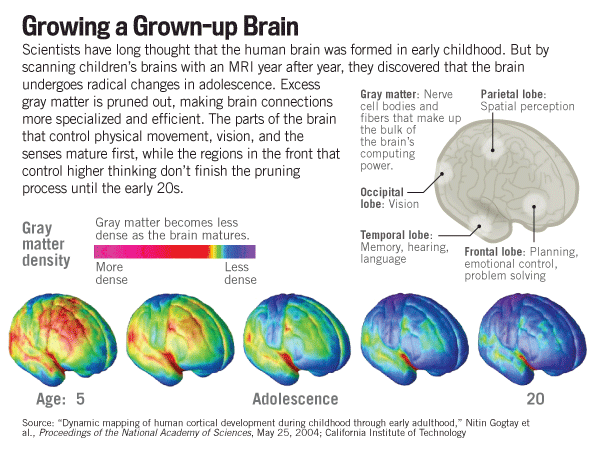
Early on in my teaching career, I discovered a mystery of life that, until Nancy’s article, seemed rather extraordinary to me, but I had no scientific evidence to back it up. Before the use of MRI’s beginning in the 1990’s, it was impossible to know what nuanced changes were occurring in the brains of teenagers, but that is not the case today. Of course, the neurologists still don’t understand all of the myriad details of change that appear to be occurring, but they can make certain not so speculative statements about these changes. According to the article, what they found astonished them. The brain’s gray matter, which forms the bulk of the structure and processing capacity, grows gradually throughout childhood, peaks around age 12, and then furiously prunes underused neurons.

Because these changes begin in the back of the brain and move forward, sensory and motor skills mature first followed by the prefrontal cortex which is responsible for judgment and impulse control. According to the scientists at the NIH, the prefrontal and cortex isn’t done until the early 20’s or later in men. The following quote from the article, however, should be the basis for all of the arts education in the United States, “Neurons, like muscles, operate on a ‘use it or lose it’ basis: a teenager who studies piano three hours a day will end up with different brain wiring than someone who spends that same time shooting hoops or playing video games. “Eureka!”

 Grown-Up Brain - USNWR - Nick Jacobs, FACHE - HealingHospitals.com

When we consider that during the teenage years, emotion and passion also heighten attention and tramp down fear, teenagehood turns out to be the perfect time to master new challenges. According to Frances Jensen, a neurologist at Children’s Hospital in Boston, “They can do things now that will set them up later in life with an enhanced skill set.” Of course, the 70’s in semi-rural America did not harbor all of the challenges that we face now for our teenagers, but challenges did exist. What I had discovered in my work was by treating the teenagers more closely as peers than subservient children, while still maintaining control, by allowing them to work with you to select and enumerate their goals, and finally by encouraging them along the way, their passions and intensity would take the music and their performances to heights that would have seemed otherwise incomprehensible.

Music arranged for teenaged performing groups was typically watered down and lacked both emotion and challenge. Because of that, it was my choice to make musical scores available to them that would have been considered too mature, too challenging and too far beyond their comprehension. The trade off, however, was that we were careful never to let them hear any of those “too hard” descriptors. The results were stupefying. The kids worked endlessly and tirelessly to make sure these musical scores were mastered. Because their parents were, in many cases, second generation immigrants, they worked to ensure that the kids had: 1.) Plenty of sleep 2.) Healthy foods 3.) No drugs or alcohol.

The U.S. News article concluded with something that was instinctive to me: “Nature had a reason to give adolescents strong bodies, impulsive natures, and curious flexible minds.” It was the stuff from which scholars, great artists and future leaders were made, and to all of my former students who have been so incredibly successful…I hope you’ve tried to give your children these same experiences!

Nick Jacobs speaks to youth on the future of healthcare

Health 2.0 Leadership (1 of 2) from Nick Jacobs, FACHE on Vimeo.

Share

A Personal Post – Just for Fun

April 25th, 2011 by Nick Jacobs 21 comments »

One warm Sunday afternoon, in the early 1990s, Uncle Bert indicated to me that, after his death, he was going to leave the my brother and me the money that he had made from selling the little house that he had built for our grandmother. My brother decided to take his share to physically trace our roots back to the small Italian city where our grandfather and grandmother had been born and raised. That is where this story begins.

In order to get to Alvito, in the Province of Frosinone, in the region of Lazio near Rome, my brother and his wife took a train part way and then hired a driver for the last leg of the journey. The driver asked them where they would like to go, and my brother in recently learned Italian, directed Leonardo to take them to the cemetery where he would try to find and take pictures of the grave markers of our great uncle and his wife.

When the driver heard the names, he immediately said, “That’sa my name.  Do you wanta meeta you cousins?”  They got into the car and were driven a short distance to a house where Leonardo knocked on the door and introduced them to our cousin Rita and her husband Giuseppe. They later met her brother, Nino. We had discovered a part of our family that we had no idea even existed!

After their return home, an email quickly clarified that an older sister of the two in Italy, Valeria, her husband, their two sons and their families, as well as Nino’s two sons, all live in Columbus, Ohio! We were invited to share in their hospitality, friendship and love, this past week-end. As we pulled into their driveway, it was abundantly reconfirmed that in the Italian culture, blood is thicker than water. With that, the party began! Our host, Valeria’s husband Mariano, immediately took us to his wine cellar to show us the prosciutto and homemade wine that would be brought out for our visit and the lamb and rabbit that would be offered for the Easter Dinner.

Afterwards, Valeria invited us to try the four types of pizza that she had prepared as the opening salvo of a series of appetizers.  Then came orange slices marinated in olive oil and a little sea salt; tomatoes stuffed with feta cheese, basil and olive oil; stuffed zucchini with meat, bread, olive oil and parsley. The food was amazing and all homemade by cousin Valeria!
Your average American would have thanked them and headed off to bed, but the meal hadn’t started yet. The first course was an absolutely superb Italian wedding soup, then stuffed manicotti, homemade bread, the most delicious grilled filet mignon wrapped in prosciutto, more stuffed zucchini, fresh green beans in butter and garlic, rapini, and and a wonderful salad.  All of this was accented with potent, high quality homemade-wine.  If you weren’t Italian before you started this feast and drank the vino, you were by the time it was over!

At that point the desserts appeared: homemade cookies, an amazing tiramisu, watermelon, pineapple, grapes, and cantaloupe all topped off with homemade limoncello, sambuca  and espresso.
The next night saw the same course formula, but a completely different menu that included pesto/broccoli shells, handmade noodles with red sauce, meatballs. . .  . You get the idea.  Having been to Italy and eaten in restaurants, I would never have believed that it was possible to consume more than 55,000 calories in a two- day period, but I can attest that, when you are at my cousin’s house, it is most definitely possible.

I’ve been sitting on my couch eating carrots and drinking water now for four days, hoping that at least one pair of pants will fit me within the next week or two.  What a wonderful lifetime memory of friendship, love and FOOD.

Share

Accountable Care Organizations

April 2nd, 2011 by Nick Jacobs 24 comments »

Avery Johnson of the Wall Street Journal wrote an excellent explanatory article this week about accountable care organizations – ACO’s. They’re a potential spin out from the Health Care Reform Act which are about to begin taking shape within the U.S. healthcare system.  The four hundred plus page proposal that was released this week is now being made available for comment, but those administrators and physicians who generally get the concept already are quietly pouring through the pages of this document to determine how it can become a part of their practices.

Donald Berwick, MD, Administrator of the Centers for Medicare and Medicaid Services stated that ACOs were brought into effect with three major aims which are better care for individuals, better health for populations, and slower growth in costs through improvements in care.

Proposed Measures for ACO Quality-Performance Standards.

Scheduled to begin in January 2012, the primary goal of the ACO concept, not unlike other previous historical steps, such as PPO’s and HMO’s, is intended to extract about a billion dollars in costs from the existing Medicare system.  Theoretically, this model is not without merit.  Because most healthcare in the United States is still literally “a cottage industry,” simply having patient advocates help co-ordinate the care of those mega-users, the 18 Club of patients with nine physicians with whom they interact annually and nine different drugs that they take daily, should benefit tremendously.  If these patients can be directed to avoid those unneeded duplications, millions could be saved.

The government outlined rules for how doctors and hospitals can organize into new businesses to reduce Medicare costs and improve care are at the heart of the accountable-care organizations.  The new partnerships that could/should evolve from ACO’s would be aimed at controlling these costs.   They would be structured to coordinate care and their reward would be to share financially in savings with the government if they could come in lower than expected.  There is an alternative universe, however, where they would risk being penalized financially if they go over the anticipated costs.

There is no question that better synchronization of care could help to reduce both hospital readmissions and medical errors which in turn would produce Medicare savings.  In line with this, one of the primary reasons that ACOs might not work is that some of the largest health insurers in the country, including Humana, United Healthcare and Cigna, already have announced plans to form their own ACOs. Insurers say they can play an important role in ACOs because they track and collect data on patients, which is critical for coordinating care and reporting on the results.  As Jenny Gold quoted in her NPR report, “This could just be HMO in drag.” These partnerships of primary-care and specialists doctors with hospitals and clinics might help to produce a model that, although directed toward Medicare, could also have a positive impact on all of U.S. health-care.

Obviously, both hospitals and physicians are worried about ACO’s because they represent CHANGE, but it is common knowledge that if something is NOT DONE, our health care system will crash and burn.   Think of this, providers would get paid more for keeping their patients healthy and out of the hospital. What a concept.

Share

Sometimes it’s Better to Punch a Bear in the Face

March 27th, 2011 by Nick Jacobs 26 comments »

I’ve tried to avoid controversy, but since my reading audience has dropped by a few thousand readers after departing my previous CEO position a few years back, I doubt that this will cause me any more problems as a consultant than I’ve already caused by expressing my opinions in previous posts. So, for those of you who are still dependent upon me for financial support, I apologize.

This morning, I read an article in the Pittsburgh Post Gazette by John Hayes entitled “Meet Your Neighbors: The Bears,” about black bears living in Pennsylvania. The essence of the piece is that there are about 18,000 bears living among the 12,000,000 citizens of Pennsylvania, yet there are only about 1,200 bear-related complaints to authorities a year. The bigger issue, however, is that there have been no reported deaths caused by black bears. They don’t eat people.

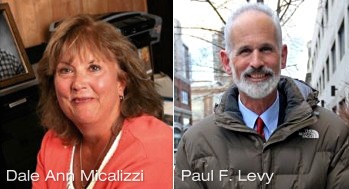
During this same period of time, I read a post by my friend and fellow patient advocate, Dale Ann Micalizzi, referencing an article about the former president of Beth Israel Deaconess Medical Center (BIDMC) in Boston, Paul Levy,  another nontraditional hospital CEO who espouses transparency. “Admiting Harm Protects Patients” is the article appearing in today’s Las Vegas Sun. In my book, Taking the Hell out of Healthcare, which Paul graciously endorsed on the cover page, we talk about patient rights, patient advocacy, and the need to have someone with you during your hospital stay to ensure that you are not going to become a statistic. In today’s article, Paul is recognized for the work that he did with his blog — a blog which I encouraged him to write and to keep writing — in which he challenged the hospitals of Boston to reveal their mistakes, to stop keeping the infection rates and other problem statistics secret.

Because he was trained as an economist and a city planner, Paul Levy was considered an outsider by his peers when he took over the troubled Deaconess hospital, but as he quickly turned it around, he did so through the eyes of an outsider. In December 2006, he published his hospital’s monthly rates of infection associated with central-line catheters, which are inserted deep into the body to rapidly administer drugs or withdraw blood. These central line infections, which can be caused by nonsterile insertion of the catheter or not removing it soon enough, are preventable. The Centers for Disease Control and Prevention estimate 250,000 central-line infections occur annually, costing $25,000 each and claiming the lives of one in four infected patients.

Dale Ann Micalizzi (L) and Paul F. Levy (R)  - Healing Hospitals - F. Nicholas Jacobs, FACHEHe then challenged the other Boston hospitals to do the same. He was accused of self-aggrandizement, egomania, and numerous other witchcraft-like things, but the bottom line was that the number of infections went down, and they went down because the staff and employees wanted to do better and wanted them to go down.

What else happened at Beth Israel Deaconess?

• Hospital mortality of 2.5 percent, which translates to one fewer death per 40 intensive-care patients.

• Cases of ventilator-associated pneumonia, from 10-24  per month in early 2006, to zero in as many months by mid-2006.

• Total days patients spent on ventilators from 350-475 per month in early 2006 to approx. 300 by mid-2007.

• The length of an average intensive care stay from 2005 through 2009, the average stay was reduced by a day to about 3 1/2 days.

(See my previous post on outrageous claims at my prior place of employment.)

Well, in today’s article about the bears, I read that “when bear attacks occur they are generally very brief, and injuries can include scratches and bites.”  Here’s the part I had not anticipated from the bear conservation officer: “Fight back, don’t play dead.  Unlike other North American Bears, black bears don’t consider people to be food.  When it realizes what you are, or gets a painful punch in the face, it is likely to go away.” I believe it’s a useful metaphor.

If you or your organization would like to hear a CEO or two speak about patient advocacy (and way better healthcare), I’m sure I know a former teacher/musician and a former city planner who would welcome the invitation.

Patient advocacy is in your hands!

Health 2.0 Leadership (1 of 2) from Nick Jacobs, FACHE on Vimeo.

Share

Excerpts and Opinions on “What Makes a Hospital Great?”

March 17th, 2011 by Nick Jacobs 46 comments »

Dr. Pauline W. Chen’s March 17th New York Times article answers the question, “What Makes a Hospital Great?” In this article, Dr. Chen finds:

Dr. Pauline W. Chen - surgeon & New York Times contributor - Nick Jacobs, FACHE

Pauline W. Chen, MD | Blog: paulinechen.typepad.com

“Hospitals have long vied for the greatest clinical reputation. Recent efforts to increase public accountability by publishing hospital results have added a statistical dimension to this battle of the health care titans. Information from most hospitals on mortality rates, readmissions and patient satisfaction is readily available on the Internet. A quick click of the green ‘compare’ button on the ‘Hospital Compare’ Web site operated by the Department of Health and Human Services gives any potential patient, or competitor, side-by-side lists of statistics from rival institutions that leaves little to the imagination. The upside of such transparency is that hospitals all over the country are eager to improve their patient outcomes. The downside is that no one really knows how.”

I’ve written often about the failed promise of technology alone, and this is reaffirmed in Dr. Chen’s findings:

“…hospitals have made huge investments in the latest and greatest in clinical care — efficient electronic medical records systems, ‘superstar’ physicians and world-class rehabilitation services. Nonetheless, large discrepancies persist between the highest and lowest-performing institutions, even with one of the starkest of the available statistics: patient deaths from heart attacks.”

As she asks why this is,  the answers have become relatively clear from a study that was released in the Annals of Internal Medicine this very week. This research indicated that it was not the expensive equipment, the evidence-based protocols, or the beautiful Ritz Carlton-like buildings. It was, instead, the culture of the organization.

Hosptials in both the top and bottom five  percent in heart attack mortality rates were queried by the study team. One hundred fifty interviews with administrators, doctors and other health care workers found that the key to good (or bad) care was “a cohesive organizational vision that focused on communication and support of all efforts to improve care.”

Elizabeth H. Bradley, Phd, Yale School of Public Health

Elizabeth H. Bradley, Phd, Yale Global Health Leadership Institute

“It’s how people communicate, the level of support and the organizational culture that trump any single intervention or any single strategy that hospitals frequently adopt,” said Elizabeth H. Bradley, Senior Author and Faculty Director of Yale University’s Global Health Leadership Institute.

So, it wasn’t the affiliation with an academic medical center, whether patients were wealthy or indigent, bed size, or rural vs. urban settings that mattered in hospital mortality rates. Rather, it was the way that patient care issues were challenged that made the difference. The physicians and leaders at top-performing hospitals aggressively go after errors. They acknowledge them, and do not criticize each other. Instead, they work together to identify the sources of problems, and to fix them.

One of the most telling findings in this study was that relationships inside the hospital are primary, and the physicians and staff must be committed to making things work. Dr. Bradley said. “It isn’t expensive and it isn’t rocket science, but it requires a real commitment from everyone.”

So, the next time that you select a hospital, look up its statistics, and I guarantee you that you will be surprised. When it comes to outcomes, to nurturing or even competent care, the biggest is not always the best.

Learn More:

Share